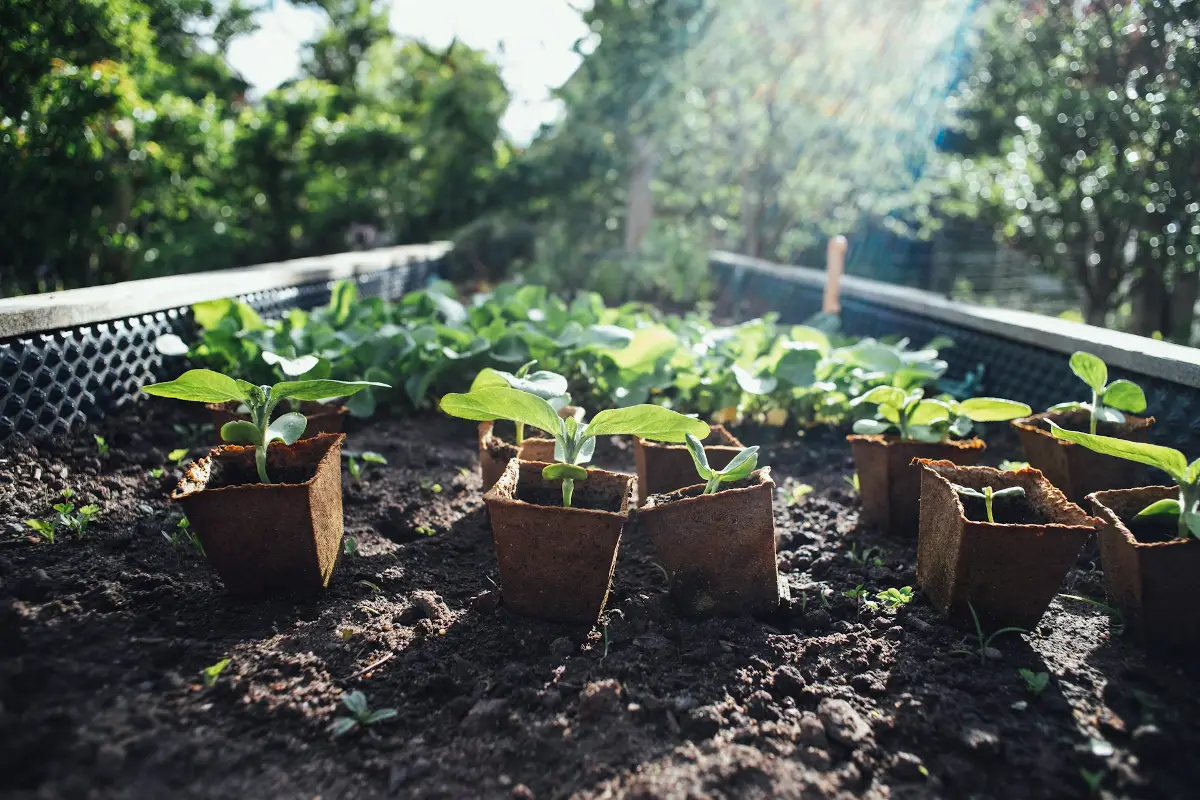
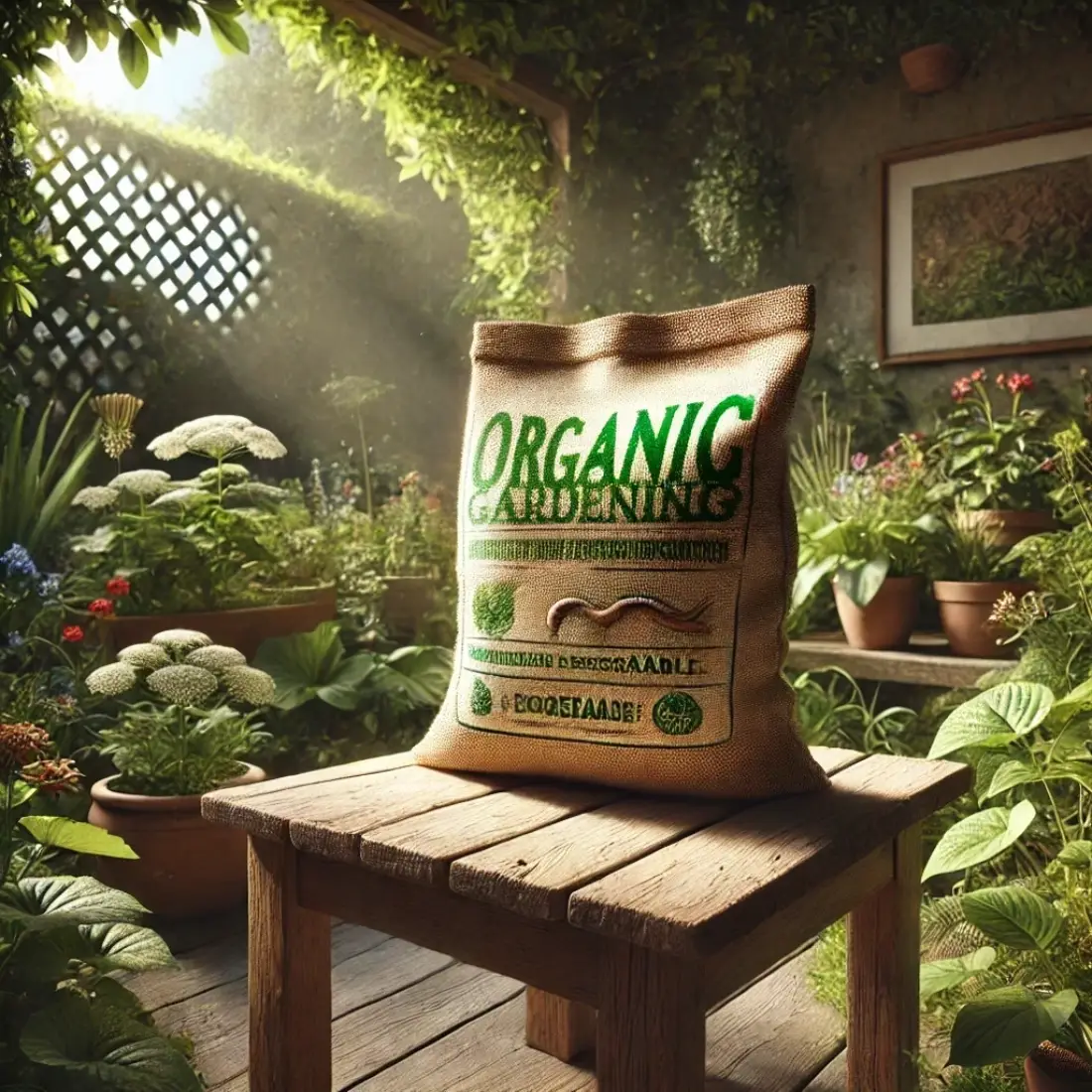
Starting an organic garden can be daunting, but our straightforward guide makes it easy. Learn the basics of organic gardening, from selecting the right seeds to natural pest control.
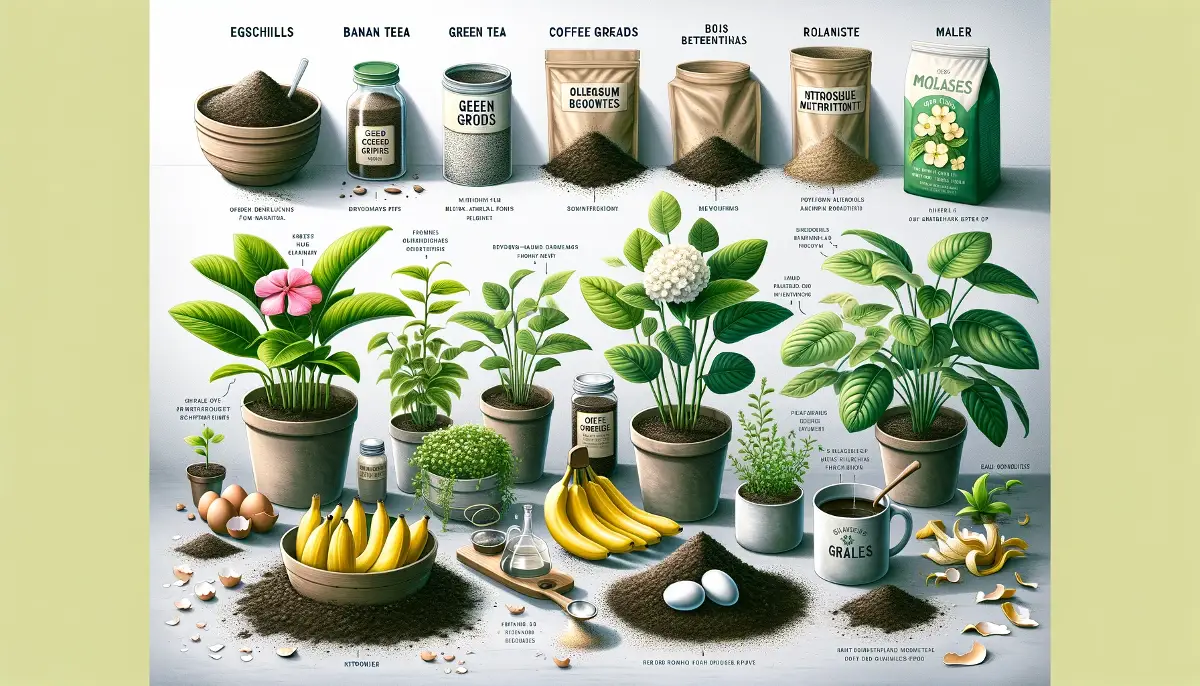
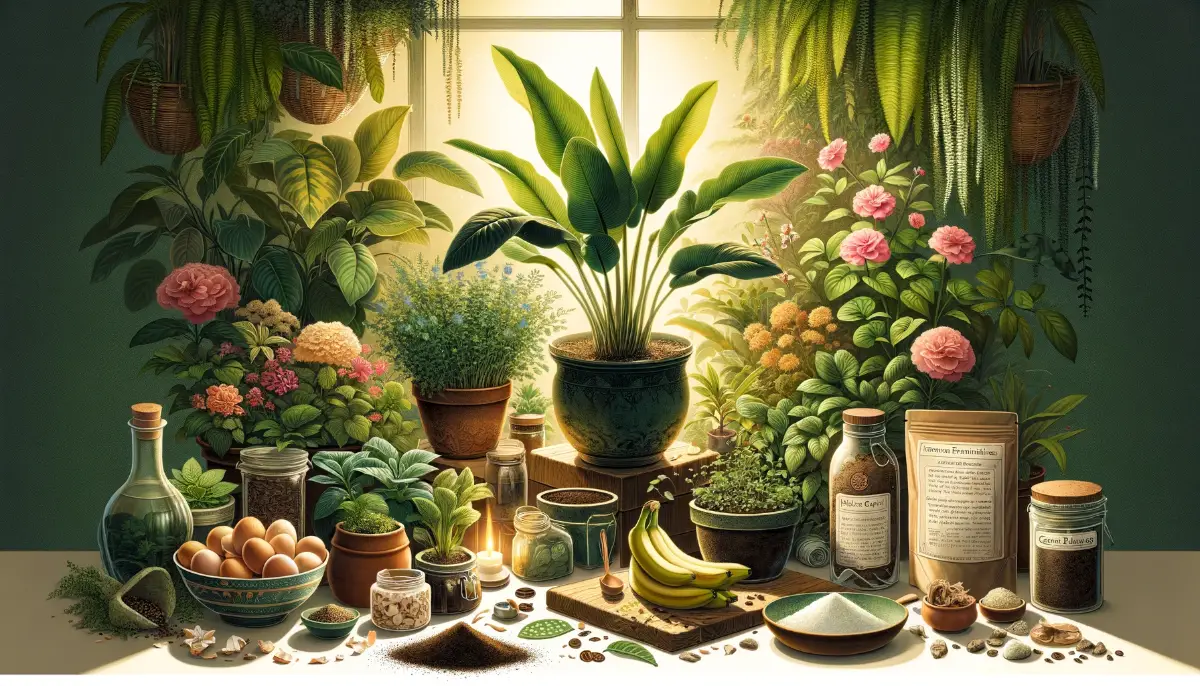
Keeping indoor plants lush and healthy doesn’t have to mean spending money on expensive fertilizers. Many natural, nutrient-rich ingredients are hiding in your kitchen right now! Homemade fertilizers are an eco-friendly, budget-friendly way to give your plants the essential nutrients they need—without the harsh chemicals found in synthetic plant food. By using common household scraps…
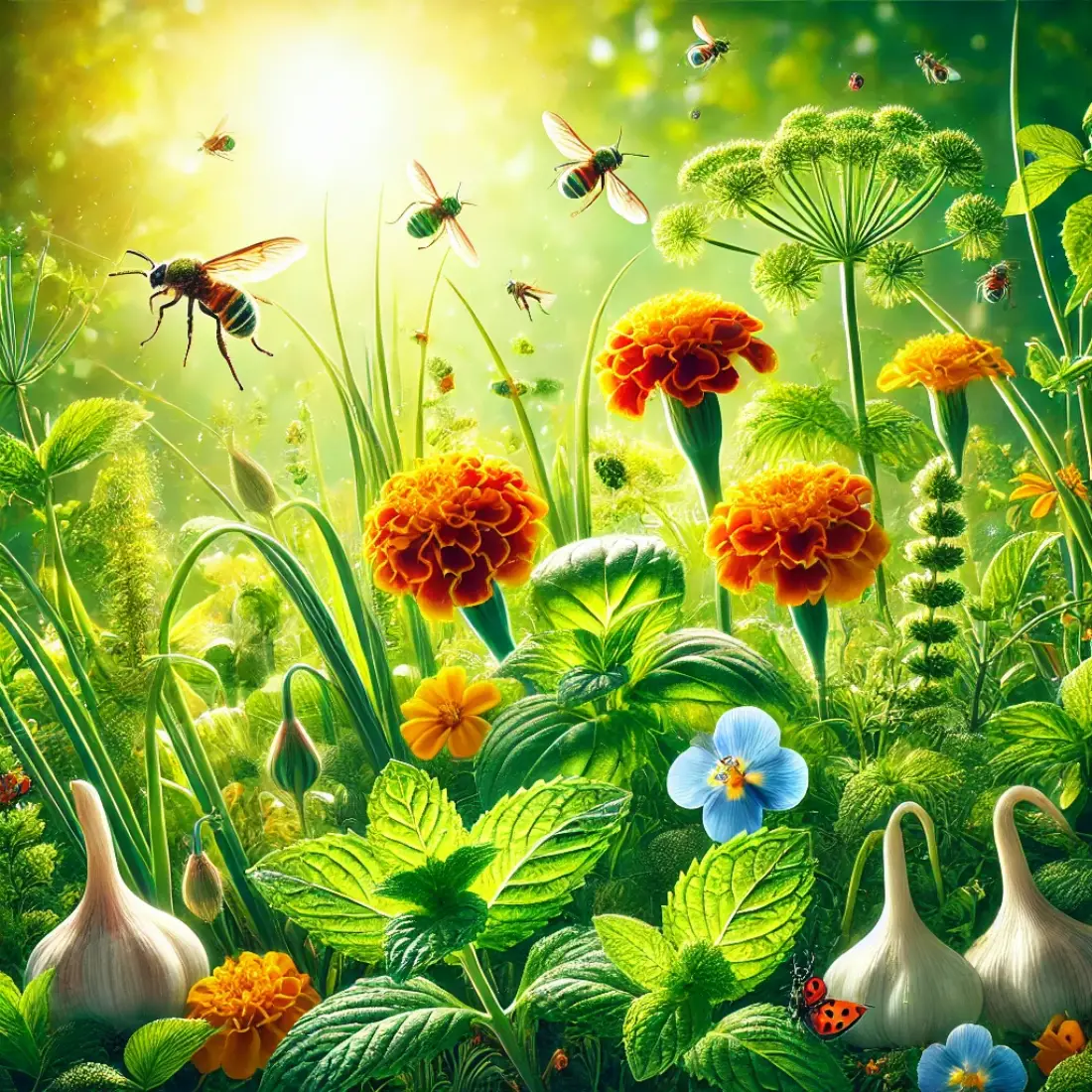
Aphids are a gardener’s worst nightmare. These tiny, sap-sucking pests can wreak havoc on your plants, stunting their growth and spreading diseases. But before you reach for chemical pesticides, consider a more natural solution—companion planting! Certain plants have the power to repel aphids naturally, either by emitting strong scents that deter them or by attracting…
Homemade fertilizers are a fantastic way to nourish your plants naturally, save money, and reduce waste. However, like any gardening practice, they come with common misunderstandings that can lead to less-than-ideal results. The good news? When used correctly, homemade fertilizers can boost plant health, enrich soil, and improve sustainability. The key is to separate fact…
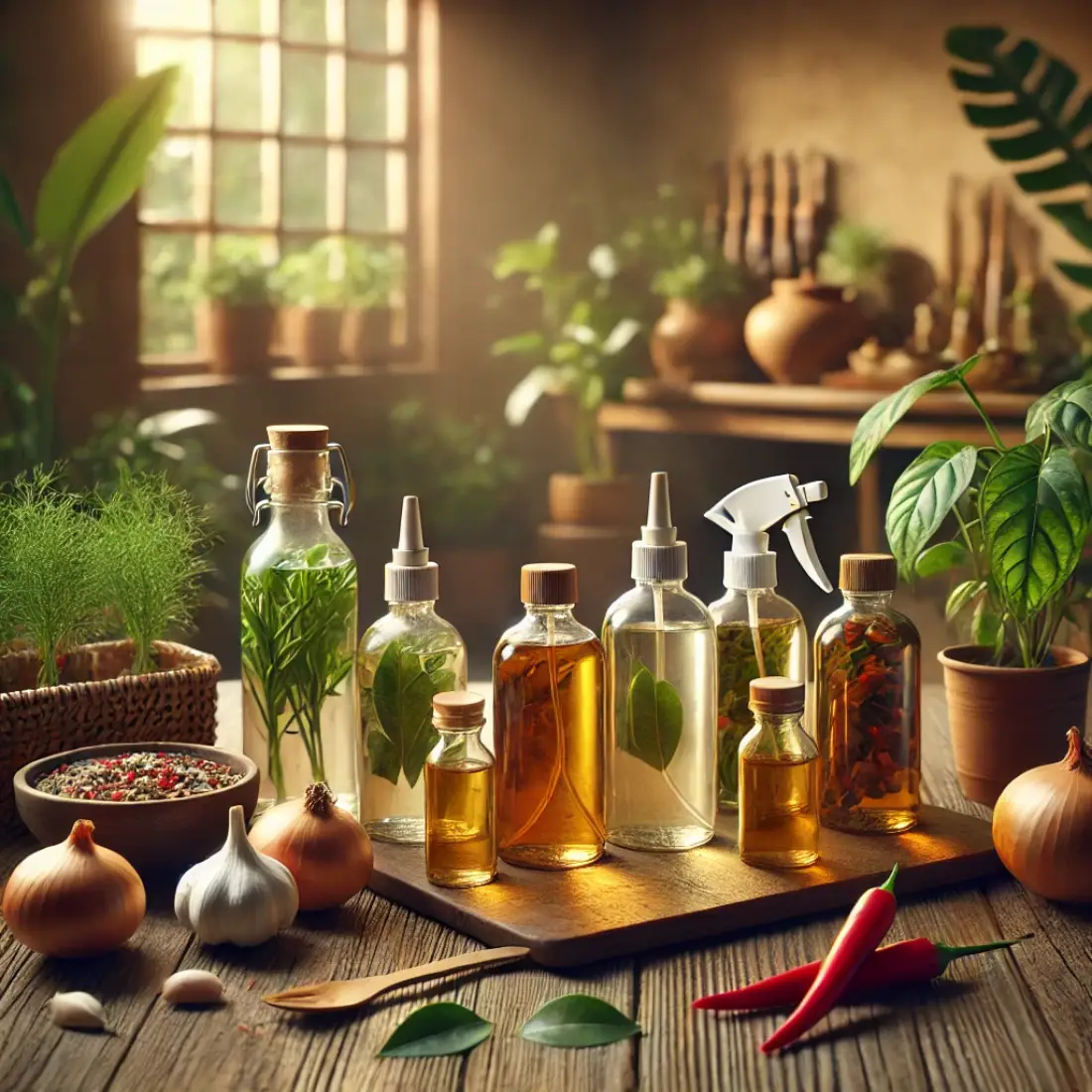
A thriving garden is a beautiful thing—until pests invade and start feasting on your plants. While chemical pesticides may seem like a quick fix, they often come with harmful side effects—killing beneficial insects, contaminating soil, and even affecting your health. Luckily, nature provides a safer, more sustainable solution. By using common household ingredients, you can…
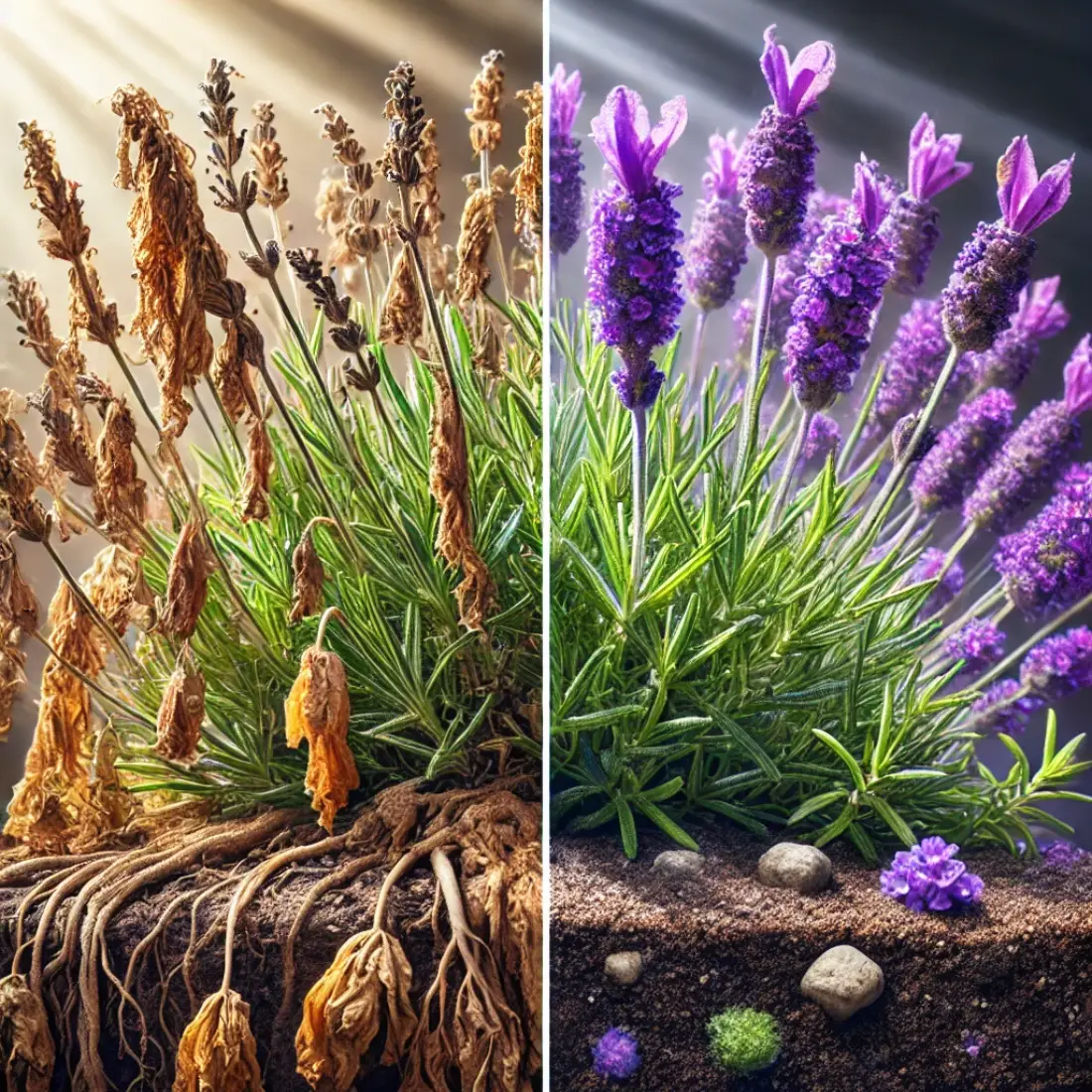
Lavender is a favorite among gardeners for its fragrant blooms, pest-repelling properties, and low-maintenance care. But when it starts wilting, turning yellow, or failing to bloom, it can be frustrating. If your lavender is struggling, don’t worry! This guide covers the common reasons lavender declines and provides organic solutions to restore its health. Plus, we'll…
Corn, also known as maize, is one of the most versatile and widely grown crops in the world, valued for its nutritional benefits and diverse uses. Whether you're growing it to enjoy sweet, buttery cobs fresh off the stalk or for creating cornmeal, popcorn, or animal feed, corn is a rewarding addition to any home…
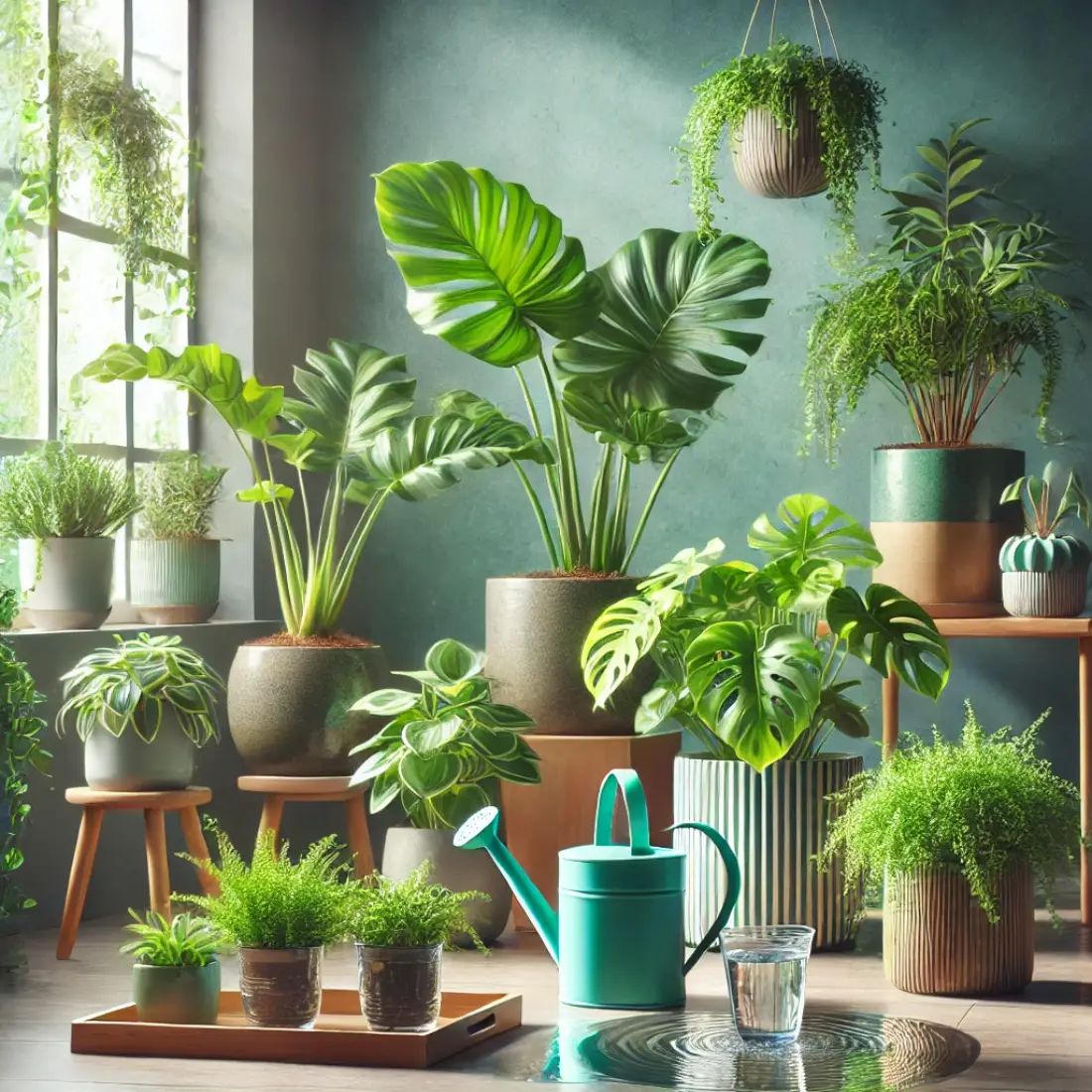
Watering your indoor garden is more than just giving your plants a drink—it’s about understanding their needs and providing the right balance. Too much water can suffocate roots, while too little leaves plants thirsty and struggling. Add the importance of proper drainage to the mix, and you’ve got the recipe for a thriving indoor garden.…
Watching a beloved tree struggle can feel disheartening. Whether it’s a cherished shade tree or a vital part of your garden, seeing signs of decline like wilting leaves or cracked bark is a call to action. But before turning to chemicals, you’ll be glad to know that natural solutions can revive your tree while protecting…
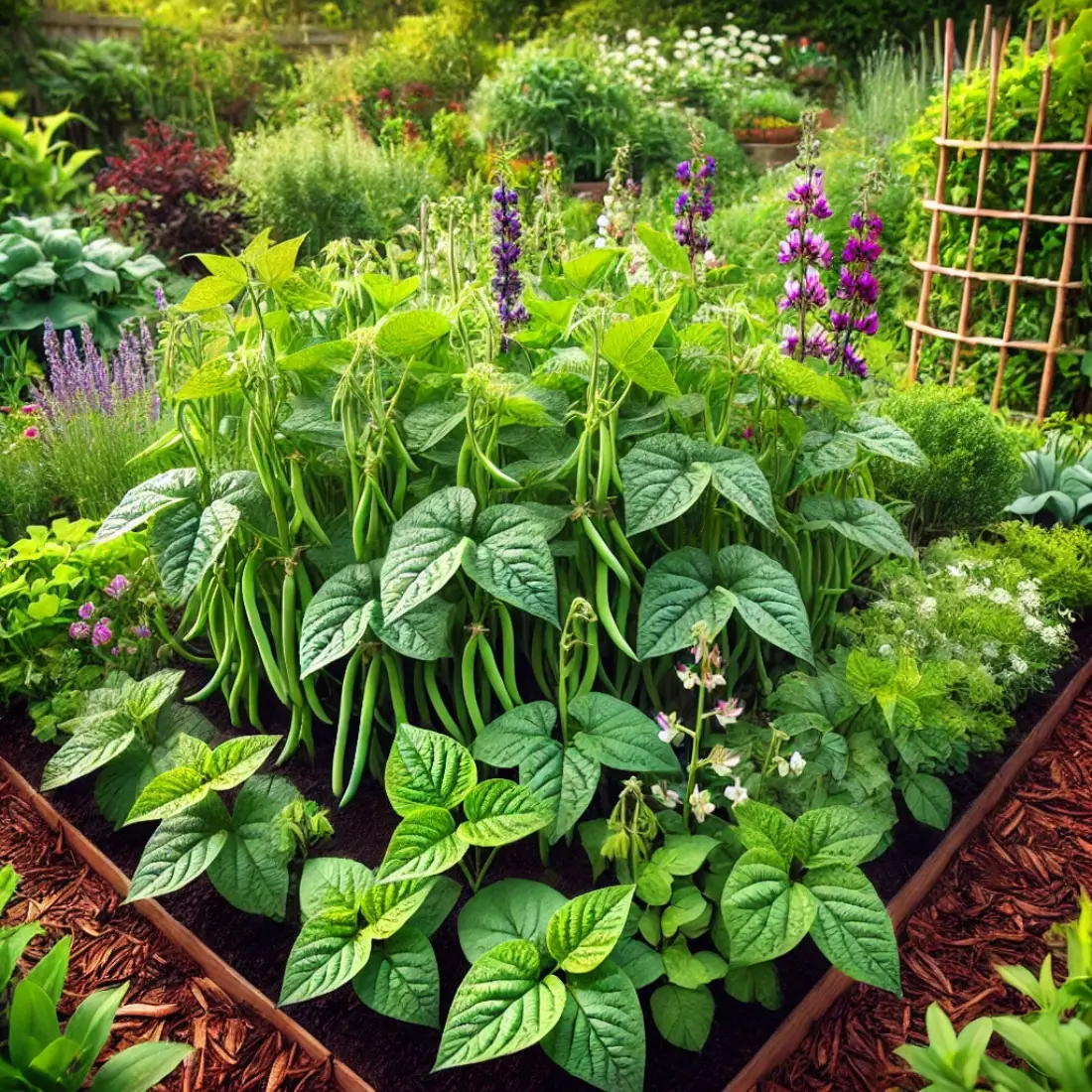
Beans are not only delicious and nutritious, but they also play a vital role in improving soil health through nitrogen fixation. This makes them an excellent choice for crop rotation and sustainable gardening practices. Growing your own beans ensures access to fresh, organic produce, saving money and reducing grocery trips. Home-grown beans are more nutritious…
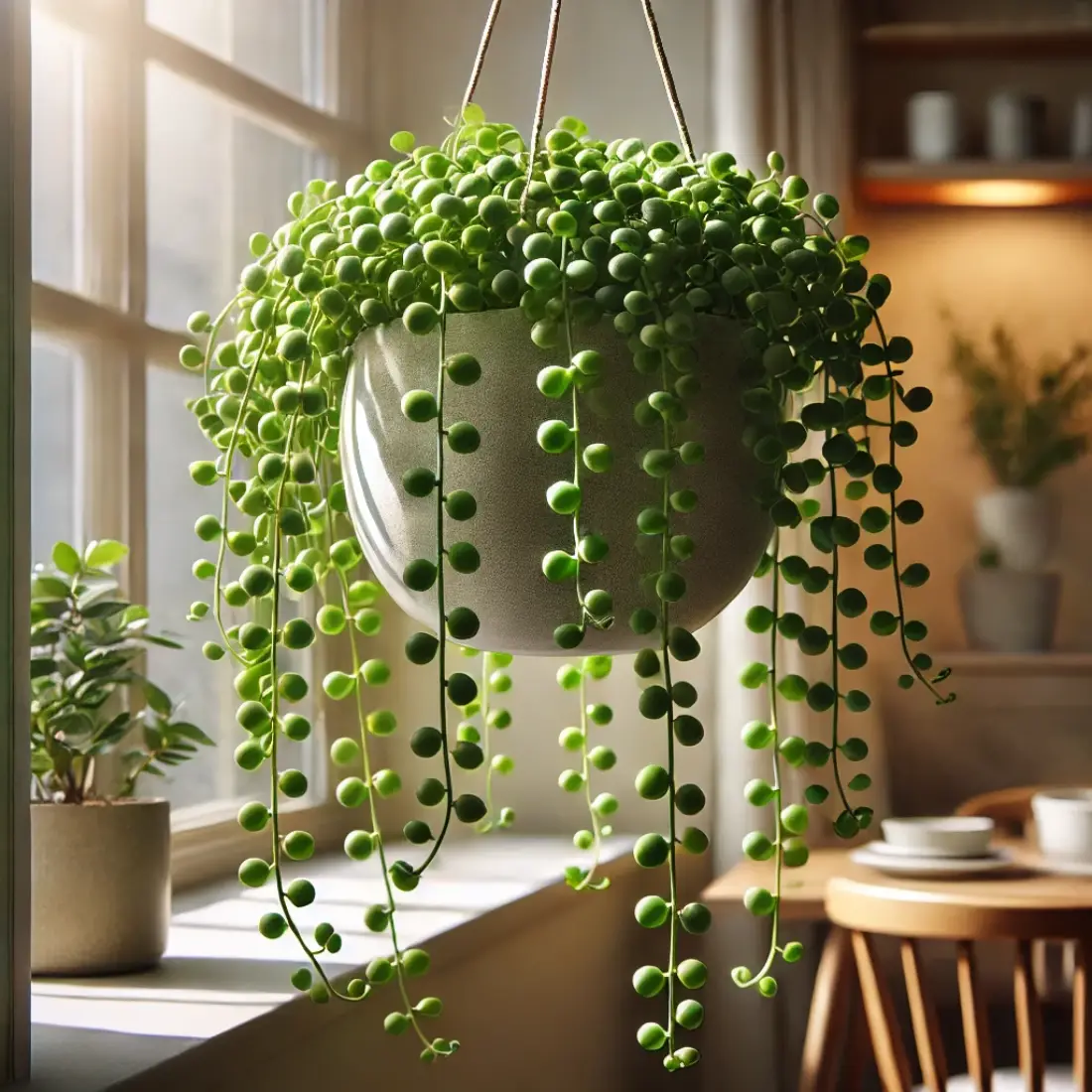
String of Pearls (Senecio rowleyanus) is one of the most stunning succulents, loved for its cascading vines adorned with pea-shaped leaves. It’s the perfect choice for hanging baskets or shelves, where its trailing stems can shine. Known for being low-maintenance, this plant thrives with the right balance of light, water, and care. If you're wondering…
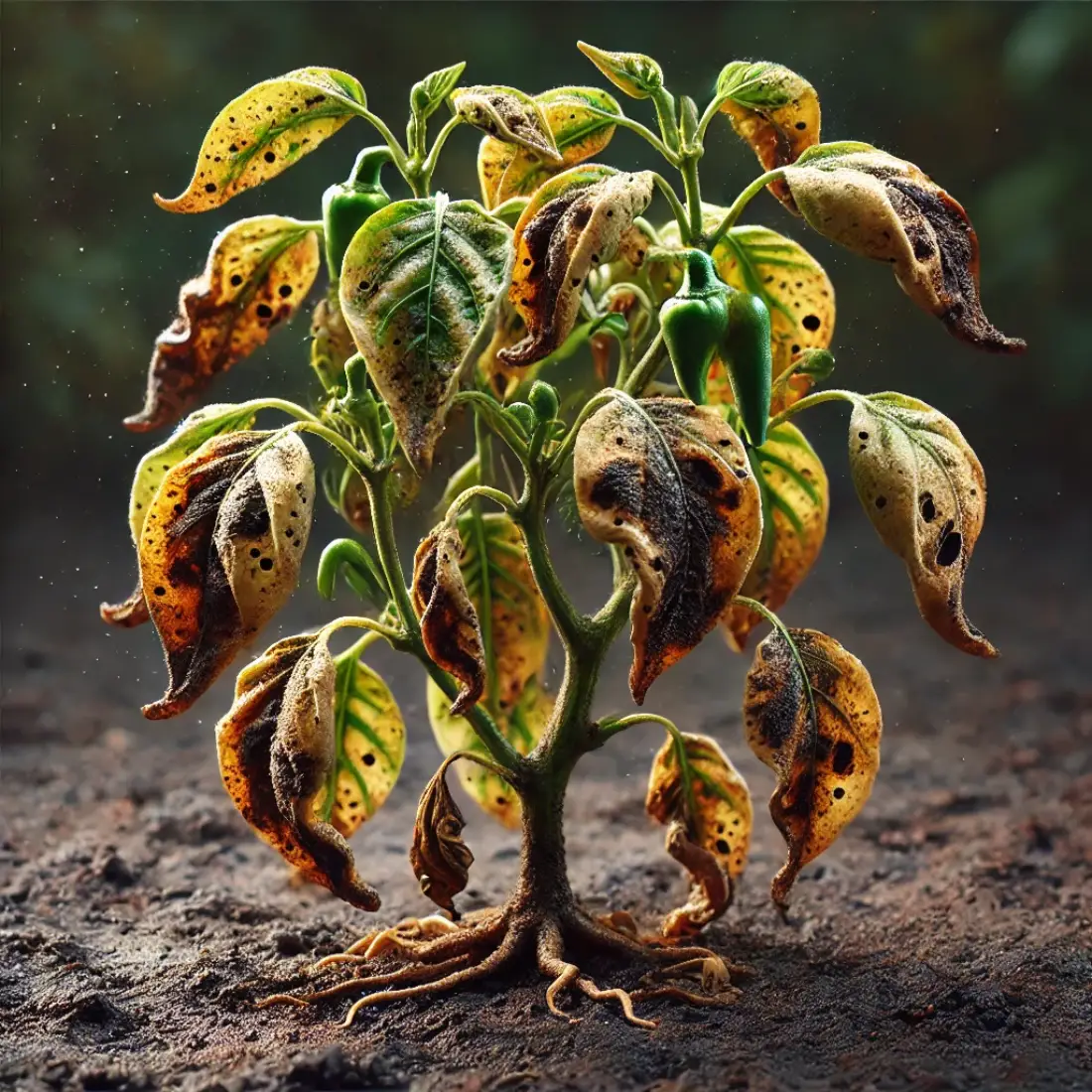
Pepper plants, whether grown in gardens or containers, are susceptible to a variety of issues that can hinder their growth and productivity. From diseases like bacterial leaf spot and phytophthora blight to pests such as aphids and spider mites, these problems can quickly spread and cause significant damage if not addressed promptly. Identifying the symptoms…
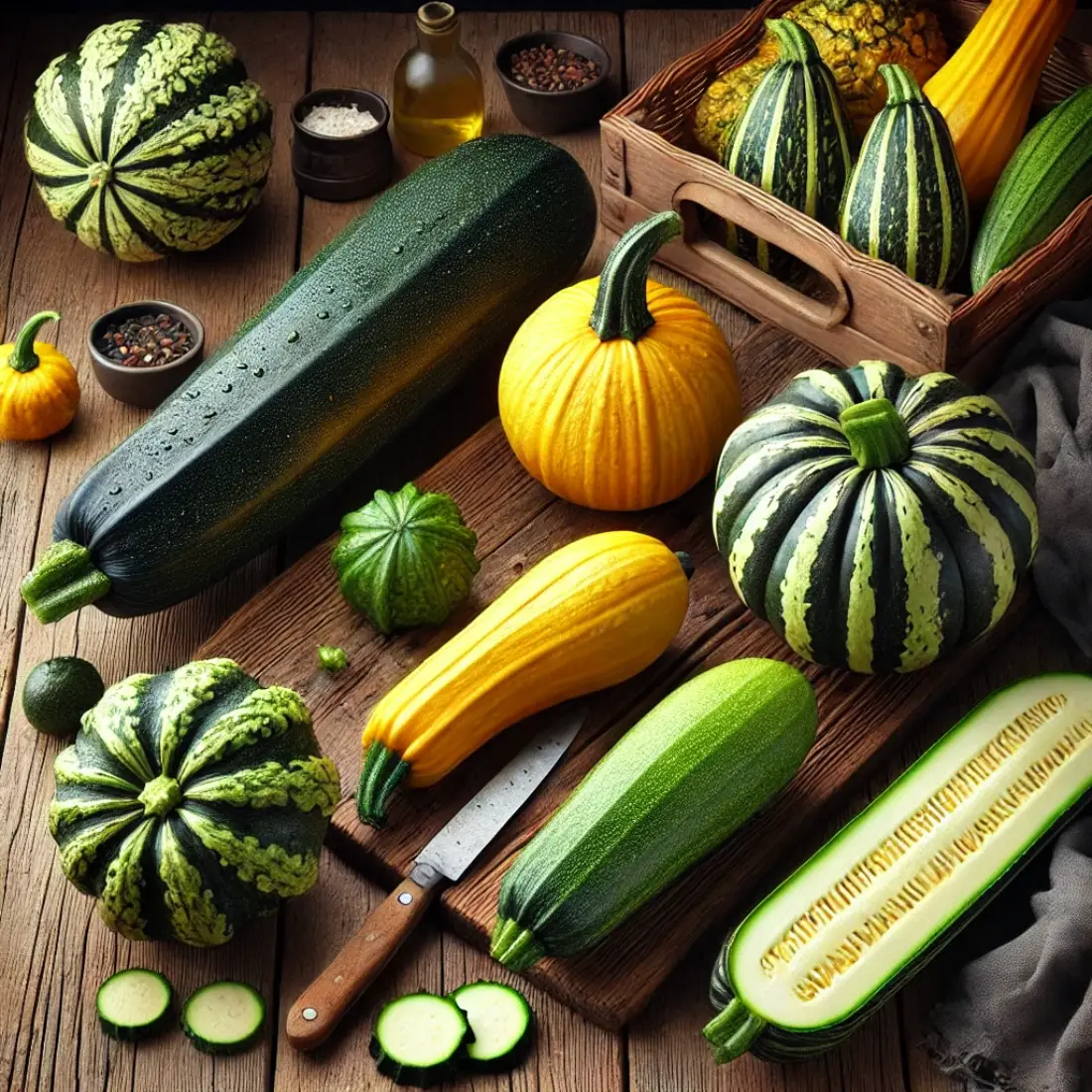
Growing zucchini at home can be a rewarding experience, offering a bounty of delicious, versatile vegetables for your kitchen. Zucchini, a summer squash, is known for its rapid growth and high yield, making it a popular choice among home gardeners. With proper care and attention, you can enjoy a plentiful harvest of fresh zucchini throughout…
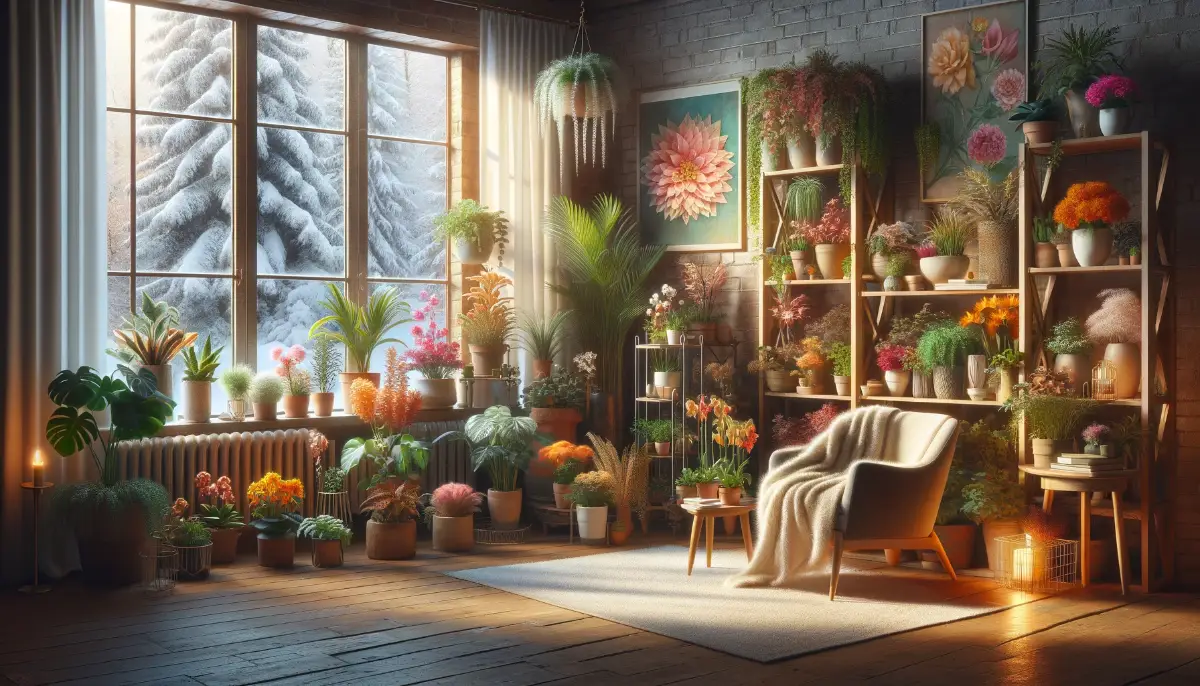
Houseplants aren't just for the spring and summer. The colder months can also be brightened by a selection of winter-blooming houseplants, bringing life and color into our homes when the outside world is often gray and dormant. These vibrant blooms not only add aesthetic appeal to indoor spaces but also improve air quality and boost…
Beneficial nematodes are microscopic, soil-dwelling organisms that play a crucial role in organic gardening. These natural predators target and eliminate common garden pests, such as grubs and root weevils, without harming plants, humans, or pets. By integrating beneficial nematodes into your gardening practices, you can reduce reliance on chemical pesticides, promote healthier soil, and foster…
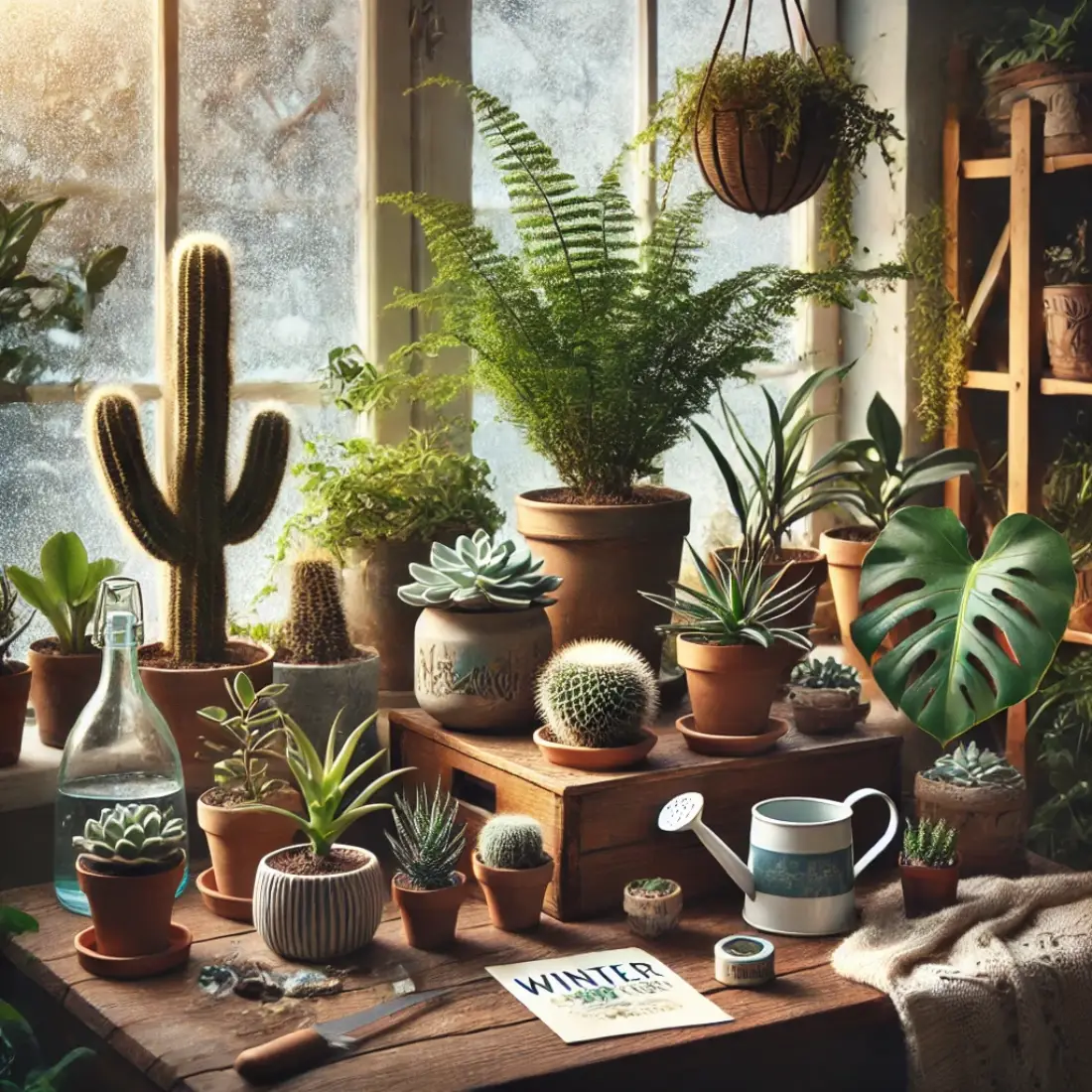
In winter, houseplants enter a phase where their care needs shift significantly. Understanding how to water different types of houseplants—from hardy cacti to delicate ferns—during this season can help them survive and thrive through the colder months. This guide will walk you through the specifics of winter watering for various houseplant types, helping you avoid…
Creating a bird-friendly winter garden is not just about helping wildlife—it's a smart, natural way to control pests in your garden without chemicals. Birds are incredibly effective at managing pest populations, even during winter. With a bit of planning and the right plants, feeders, and shelter, you can transform your garden into a sanctuary for…
Creating your own fertilizer for indoor plants is a cost-effective and eco-friendly way to ensure they receive the nutrients they need to thrive. Unlike commercial fertilizers, homemade options allow you to customize the nutrient mix to meet specific plant requirements. DIY Homemade Fertilizer Recipes Creating your own homemade fertilizers can be simple and rewarding. Here…
Gardening Tips, Indoor Gardening
Regular Insights for Home Growers
Join a community of indoor gardening enthusiasts! Our newsletter is filled with inspiring success stories, innovative gardening solutions, and expert insights to help you grow your dream plant haven.
We use cookies to improve your experience, analyze site traffic, and personalize content. By clicking “Accept,” you consent to our use of cookies and agree to our Privacy Policy.
Subscribe for Our Newsletter
Our newsletter is filled with inspiring success stories, innovative gardening solutions, and expert insights to help you grow your dream plant haven.